

Textile Chemicals Suppliers UK: A Guide for Textile Chemical Buyers
- Veeraco Colourants
- Oct 04, 2026
In textile manufacturing, a chemical decision rarely stays limited to the chemical itself. A small change in dye strength, shade consistency, compatibility or processing conditions can affect an entire production run. For a buyer, that can mean rejected fabric, reprocessing, delays or unnecessary material costs.
This is why choosing among textile chemicals suppliers UK requires more than comparing prices on a product list. The real question is whether a supplier can provide consistent material, suitable technical documentation, reliable supply and products that perform under the intended processing conditions.
For UK textile buyers, there is also another consideration. Should chemicals always be sourced locally, or can an experienced overseas manufacturer or exporter provide a practical alternative?
The answer depends on the application, product category, documentation requirements, order volume and the supplier's ability to maintain consistency.
1. What Are Textile Chemicals?
Textile chemicals are substances used at different stages of textile processing, from fibre preparation and dyeing to printing, finishing and improving the appearance or performance of finished materials.
The term covers a broad group of products rather than one chemical category. Dyes, pigments, optical brighteners, pretreatment chemicals, dyeing auxiliaries and finishing chemicals can all have different functions within textile production.
The choice depends heavily on the fibre and process. A dye suitable for cotton may not be appropriate for polyester. Similarly, a colourant that performs well during one process may require different conditions when used with a blended fabric.
For procurement teams, therefore, the useful question is not simply, "Which textile chemical should we buy?" It is, "Which chemical is suitable for our fibre, process, colour requirement and production conditions?"
That distinction becomes important when evaluating textile chemicals UK suppliers and international sources.
2. Types of Textile Chemicals Used in the UK
UK textile manufacturers and processors can require several categories of chemicals depending on their production process. The appropriate product is determined by fibre type, processing conditions, desired shade, fastness requirements and finishing requirements.
Textile Dyes
Textile dyes are colourants designed to impart colour to fibres, yarns or fabrics. Different dye classes have different affinities for different fibres.
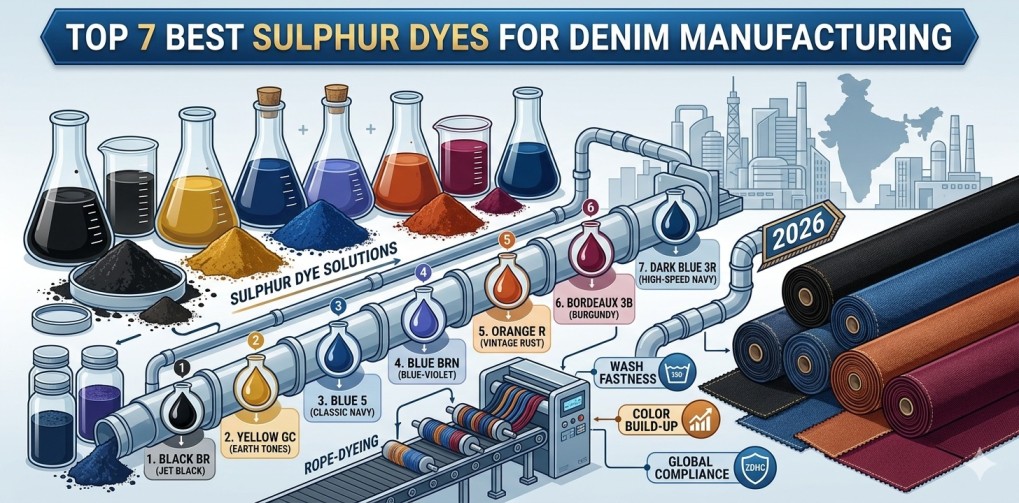
Reactive dyes, for example, are commonly associated with cellulosic fibres such as cotton. Disperse dyes are used extensively with polyester and other synthetic fibres. Acid dyes can be used for fibres such as wool and nylon, while vat and sulphur dyes have important applications in cotton and denim processing.
The selection should consider not only the colour but also application method, fixation, washing requirements and required fastness properties.
Pigments
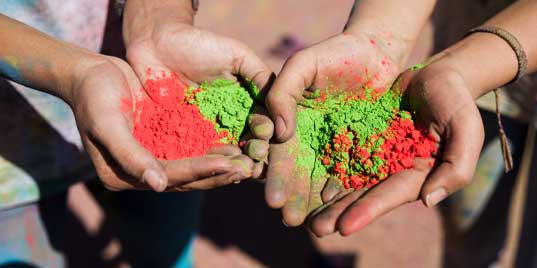
Pigments differ from dyes because they are generally not dissolved in the same way during application. In textile applications, pigment systems can be used for printing and colouring where the process requires pigment-based colouration.
Their suitability depends on factors such as the binder system, printing method, fabric type and required appearance.
Optical Brighteners
Optical brighteners, also called fluorescent whitening agents, are used to improve the apparent whiteness and brightness of suitable materials by altering how light is perceived.
They have applications in textiles and other industries, but the correct product depends on the substrate and processing conditions. Buyers should therefore assess compatibility rather than treating all optical brighteners as interchangeable.
Pretreatment Chemicals
Pretreatment prepares textile materials for subsequent dyeing, printing or finishing. Processes can include cleaning, scouring, bleaching and other treatments designed to remove unwanted substances or improve substrate uniformity.
Effective pretreatment can influence how evenly a fabric accepts colour later in the process.
Dyeing Chemicals
Dyeing chemicals include materials used alongside dyes to control or support the dyeing process. Depending on the dye class, these may influence pH, fixation, exhaustion, dispersion or other process conditions.
The chemical combination must be selected according to the dye and fibre rather than simply added as a standard formula across different materials.
Textile Finishing Chemicals
Finishing chemicals are used after or toward the later stages of textile processing to modify particular properties or the appearance of the material.
Depending on the application, finishing can influence handle, appearance, surface characteristics or other functional properties. The exact chemistry and process must be matched to the finished textile requirement.
3. Common Applications of Textile Chemicals
Textile chemicals are not selected independently of the material being processed. Fibre chemistry has a direct influence on colourant selection, processing conditions and expected performance.
Cotton Textiles
Cotton is a cellulosic fibre with a large range of dyeing requirements. Reactive dyes are widely associated with cotton because of their ability to form a chemical bond with suitable cellulose under controlled processing conditions.
Vat and sulphur dyes also have important applications, particularly where specific shades and fastness characteristics are required.
Polyester and Synthetic Fabrics
Synthetic fibres often require different colouration systems from natural fibres. Disperse dyes are particularly important for polyester because of the fibre's structure and dyeing behaviour.
Temperature, dispersion, shade depth and post-dyeing treatment can all influence the final result.
Wool and Other Natural Fibres
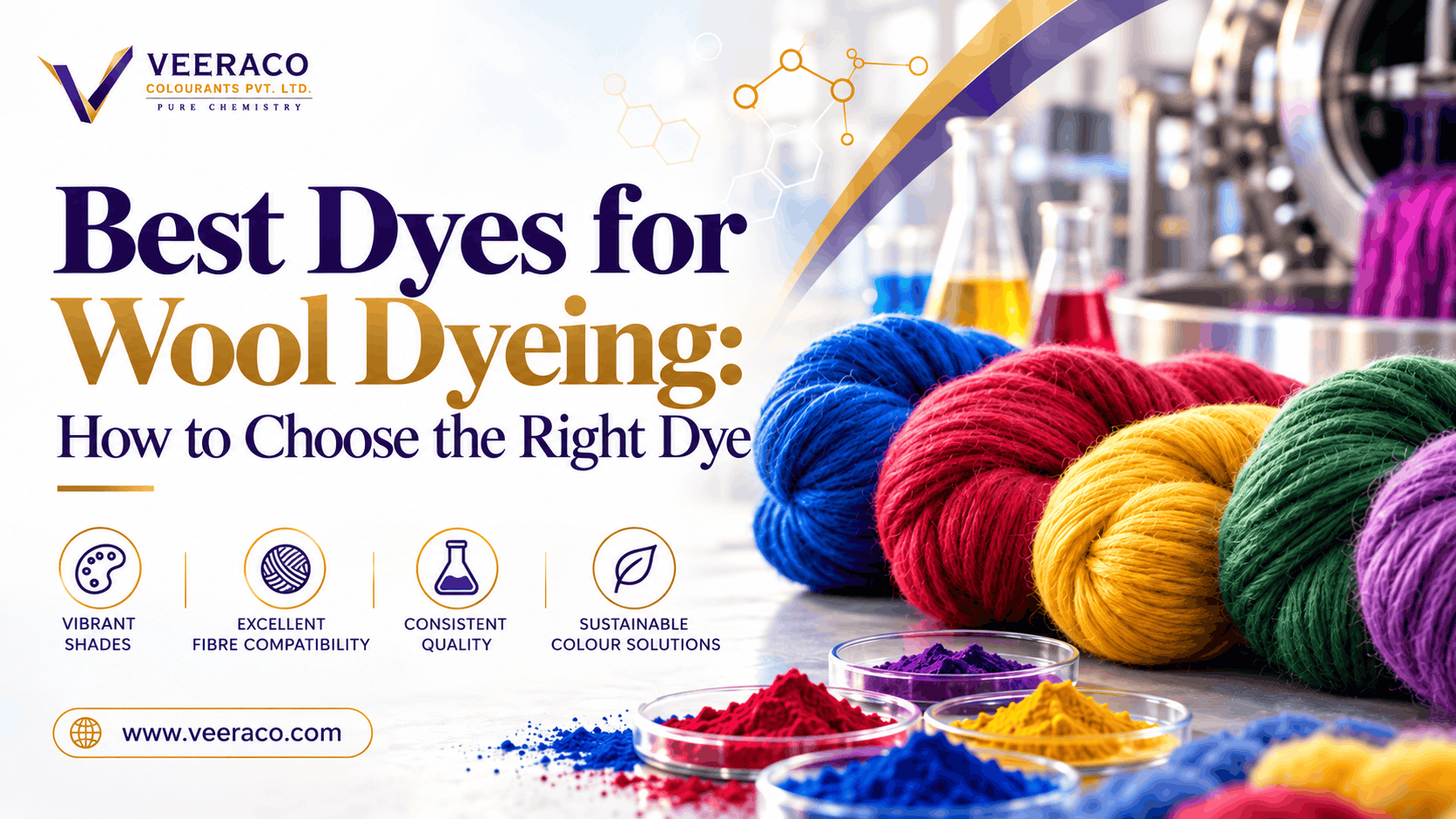
Wool has different chemical characteristics from cotton and polyester. Acid dyes are among the colourants used for wool and other suitable fibres.
The process must account for fibre sensitivity, pH, temperature and the desired shade and fastness properties.
Denim
Denim processing has its own set of requirements. Indigo and sulphur dye systems are associated with different denim applications, while washing and finishing processes subsequently influence the appearance of the garment.
For denim manufacturers, colour selection cannot be separated from the desired wash-down effect and final appearance.
Blended Fabrics
Blended fabrics can be more challenging because two or more fibre types may respond differently to the same dyeing process.
A blend may therefore require a combination of dye classes or a carefully controlled process to achieve an acceptable overall shade. Buyers should communicate the exact fibre composition and production method when discussing product selection with textile chemical suppliers in UK or overseas suppliers.
4. How to Choose Textile Chemicals Suppliers in the UK
Selecting a supplier should begin with technical suitability rather than price alone. A lower purchase price has little value if inconsistent material creates shade variation or production problems.
Product Quality and Consistency
The supplier should be able to explain the product's specifications and expected characteristics. For colourants, consistency between batches is particularly important.
A textile manufacturer needs confidence that a repeat order will behave in a reasonably consistent way under comparable processing conditions.
Technical Documentation
A supplier should provide appropriate technical information for the product being supplied. Documentation allows technical and procurement teams to understand the material before introducing it into production.
This becomes especially important when products are being sourced internationally.
Batch-to-Batch Consistency
Batch consistency is one of the practical issues that experienced textile buyers pay close attention to.
A shade may look acceptable during initial testing, but the real test comes when the same product is purchased again. Consistency in shade, strength and other relevant specifications helps reduce unnecessary adjustments during production.
Application Support
A supplier does not necessarily need to formulate the entire production process, but it should understand the intended application well enough to discuss product suitability.
The more specific the requirement, the more useful a technical conversation becomes. Fibre type, application method, shade, concentration, processing temperature and required performance can all affect the recommendation.
Supply Capacity
A product that is technically suitable but difficult to obtain consistently is not necessarily a practical procurement choice.
Buyers should consider normal order quantities, repeat requirements, lead times and the supplier's ability to support both trial quantities and larger orders.
Export and Delivery Experience
For international procurement, the supplier's export experience becomes another consideration. Documentation, packaging, shipment preparation and communication can affect the overall purchasing process.
This is particularly relevant when UK buyers compare domestic textile chemicals UK suppliers with manufacturers and exporters in other countries.
5. What UK Buyers Should Check Before Purchasing Textile Chemicals
Before placing an order, UK buyers should establish exactly what the product is expected to do and whether the product meets the applicable requirements for the intended use. This includes checking the fibre type, application process, required shade, concentration and relevant performance requirements. For chemical products entering the UK market, buyers should also consider applicable UK REACH requirements and confirm that the supplier can provide the documentation needed for the transaction.
The fibre or substrate should be clearly defined, along with the application process, required shade, concentration and relevant performance requirements. If the product is replacing an existing chemical, providing a reference sample or specification can make technical evaluation easier.
A buyer should also clarify minimum order quantities, packaging, shelf life where relevant, documentation, sampling arrangements and delivery expectations.
For colourants, physical shade matching can be particularly important. A product name or colour index reference alone does not always tell the complete story because processing conditions and material characteristics influence the final appearance.
A sensible procurement process therefore moves from sample evaluation to technical approval and then to bulk purchasing, rather than treating the first bulk order as the testing stage.
6. Important Documents for Textile Chemical Buyers
Documentation is not simply administrative paperwork. It helps procurement, technical and safety teams understand what they are purchasing, how a chemical should be handled and what precautions may be required. Buyers should review the available chemical safety information before approving a product, particularly when introducing a new chemical into an existing manufacturing process.
Certificate of Analysis (COA)
A Certificate of Analysis provides information about the tested characteristics of a particular batch. Depending on the product, this may include parameters such as strength, purity, moisture or other specified quality measurements.
The relevant parameters should always be checked against the product specification.
Safety Data Sheet (SDS)
An SDS provides important information concerning the safe handling, storage and potential hazards associated with a chemical product.
For international buyers, having the appropriate safety documentation available is an important part of responsible chemical procurement.
Technical Data Sheet (TDS)
A Technical Data Sheet provides product-specific technical information and can help technical teams assess whether the material is appropriate for their application.
It may include information about recommended applications, typical characteristics and handling or processing considerations.
Product Specifications
Product specifications establish the expected parameters against which material can be assessed.
For textile colourants, specifications may include shade, strength and other relevant quality characteristics. Buyers should make sure the specification reflects the actual application requirement rather than relying on a generic specification.
7. Buying Textile Chemicals from India for the UK Market
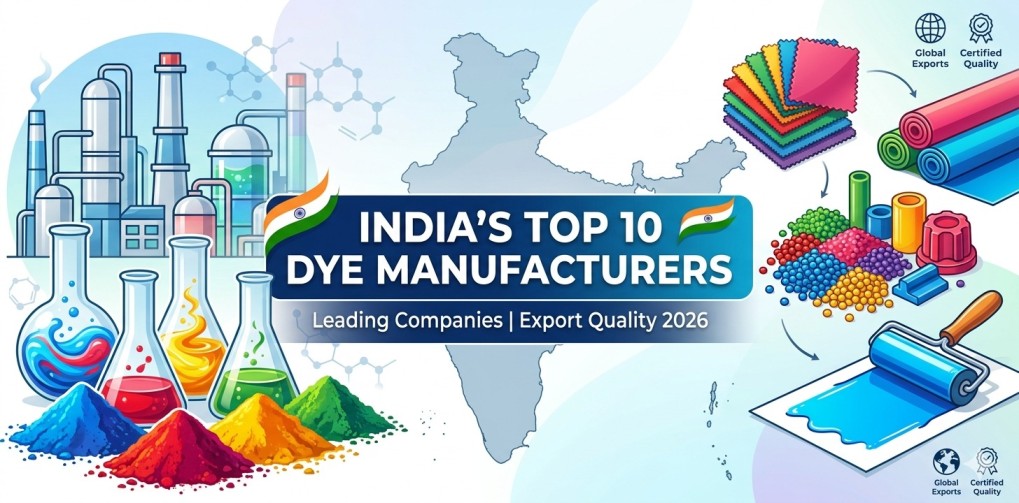
India has a substantial chemical and colourant manufacturing sector, making it one of the sourcing options considered by international buyers.
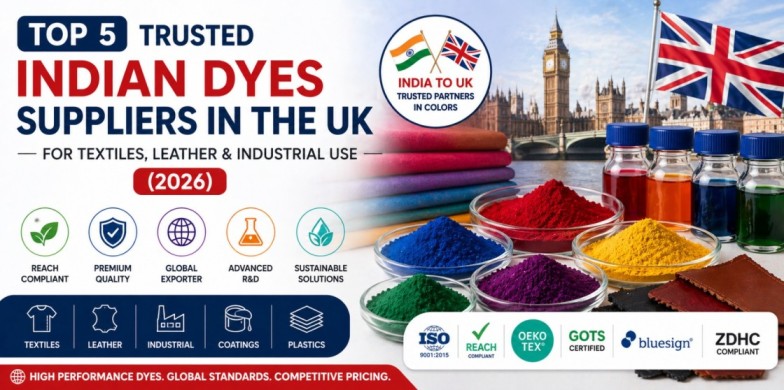
For a UK buyer, sourcing from India can provide access to manufacturers and exporters across several chemical categories. But geographical distance should not replace technical due diligence.
The supplier should be evaluated on product suitability, consistency, documentation, communication, packaging, order quantities and export experience.
The most useful approach is to start with a clearly defined requirement. A buyer can provide the fibre type, application, reference shade, current product specification and expected quantity. The supplier can then determine whether its product is technically suitable before a larger commercial commitment is made.
This approach is particularly relevant when purchasing textile chemicals for dyeing, where application conditions can significantly affect performance.
8. Why UK Textile Buyers Work With Indian Chemical Manufacturers and Exporters
Cost is often discussed when international sourcing is considered, but experienced procurement teams usually look beyond the quoted price.
Product availability, manufacturing capability, technical documentation, quality systems, communication and the ability to support repeat orders can be equally important.
Indian manufacturers and exporters can also be relevant when buyers need access to broader dye and pigment portfolios. However, the suitability of an Indian supplier depends on the specific product and its documented capabilities.
The practical comparison is therefore not simply "UK supplier versus Indian supplier." It is supplier capability versus supplier capability.
A UK buyer should compare the technical product, consistency, documentation, commercial terms and supply reliability of each option.
9. How to Evaluate a Textile Chemical Supplier Before a Bulk Order
A useful evaluation process starts with a sample rather than a large purchase.
The sample should be tested under the buyer's actual or representative processing conditions. Where colour matching is required, a physical reference can be more useful than relying only on a written colour description.
The technical team should then assess the product against the agreed specifications. If the sample meets the requirement, the next stage is to confirm commercial conditions, documentation and expected batch consistency.
This process can also reveal how well the supplier communicates. Does the supplier understand the application? Can it provide the required documents? Can it explain the product's limitations as well as its intended use?
Those questions often tell a buyer more about a supplier than a catalogue does.
10. Veeraco Colourants: Textile Dyes and Colourants Manufacturer, Supplier and Exporter
One example of an Indian company operating across the international dyes and colourants market is Veeraco Colourants.
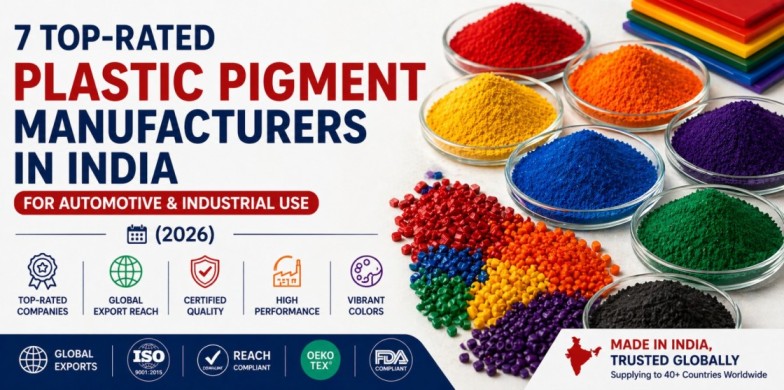
Founded in 1952 and headquartered in Mumbai, Veeraco Colourants is an Indian manufacturer, supplier and exporter of dyes, pigments and specialty colourants. Its product portfolio includes acid dyes, acrylic dyes, basic dyes, cationic dyes, reactive dyes, sulphur dyes, vat dyes, solvent dyes, pigments, daylight fluorescent pigments, food colours and optical brighteners.
For textile-related requirements, the relevant capability is not simply having a long product catalogue. Product selection needs to be connected to the fibre, application and required colour performance.
Veeraco Colourants process includes separate QA and QC functions, with products tested in its in-house laboratory before dispatch. Depending on the product, testing can include shade matching, strength, purity, moisture and other quality parameters.
For international buyers, the company also provides technical documentation and supports sample and custom shade requirements where applicable. This makes it an example of how an Indian colourant supplier can fit into an international B2B procurement workflow without assuming that every product is suitable for every textile process.
11. Conclusion
Choosing among textile chemicals suppliers UK is ultimately a question of technical fit and supply confidence.
The right supplier understands that a chemical product does not exist in isolation. Fibre composition, processing conditions, colour requirements, documentation, quality control and repeat supply all influence whether a product works in a real manufacturing environment.
For UK buyers, domestic suppliers are one option, but international manufacturers and exporters can also form part of a practical sourcing strategy. Indian suppliers can be considered when their technical capabilities, documentation, quality systems and export processes match the buyer's requirements.
The strongest procurement decisions usually begin with a sample, a clear specification and a technical conversation. Price matters, but consistency and suitability determine whether a supplier remains useful after the first order.
For buyers evaluating international colourant sources, Veeraco Colourants can be considered where its documented product capabilities match the specific textile requirement. The important step is always to evaluate the individual product and application rather than assume that one supplier or one dye class is suitable for every textile process.













Frequently Asked Questions
Textile chemicals suppliers in the UK can include specialist chemical distributors, manufacturers, importers and companies supplying dyes, pigments, auxiliaries and finishing chemicals to textile processors. Buyers should assess each supplier according to product suitability, documentation, consistency and supply capability.
The main categories include textile dyes, pigments, optical brighteners, pretreatment chemicals, dyeing chemicals and textile finishing chemicals. The appropriate category depends on the textile material and production process.
Yes, UK textile companies can source suitable products from Indian manufacturers and exporters. The buyer should evaluate the supplier's product specifications, documentation, quality controls, export experience and ability to meet the required order volume.
A buyer should ask about product specifications, application suitability, sample availability, batch consistency, COA, SDS, TDS, packaging, minimum order quantity, lead time and export documentation where applicable.
Batch consistency helps manufacturers maintain a more predictable colour outcome when repeat orders are processed under comparable conditions. Inconsistent material can create shade variation and increase the need for process adjustments.
Depending on the product and transaction, buyers may require a Certificate of Analysis, Safety Data Sheet, Technical Data Sheet and product specification. Additional documentation may be required depending on the destination, product category and application.
No. Textile dyes are one category within the broader group of textile chemicals. Textile chemicals can also include pigments, pretreatment chemicals, dyeing auxiliaries, optical brighteners and finishing chemicals.