
Basic Dyes Industry Leaders - Global Trade of
Basic Dyes and Preparations Since 1952
We supply basic dyes to textile mills, paper mills and industrial users in India and abroad. Named export destinations include the United States, Saudi Arabia, Sri Lanka, Nepal, Bangladesh, Kenya and Somalia. Minimum order is 500 kg per shade for standard colours and 200 kg for specialty preparations.
Basic dyes are a type of synthetic dyes characterized by cationic properties that enable exceptional affinity for negatively charged substrates. As key players in the basic dyes industry, we operate within a $1.8B global market with expanding applications across textile, paper, and industrial sectors.
Veeraco controls 15% of the global trade of basic dyes and preparations through dedicated export corridors to 50+ countries.
Key Characteristics of Basic Dyes - Global Trade Excellence
- Cationic Nature
Positively charged dye molecules for electrostatic bonding with anionic substrates and superior affinity.
- Brilliant Colors
Superior brightness and color intensity delivering exceptional visual appeal and vibrancy.
- Synthetic Fiber Affinity
Optimal performance on acrylic and modacrylic fibers with excellent substantivity and penetration.
- Water Solubility
Complete dissolution enabling uniform application and consistent color development across substrates.
- Chemical Stability
Resistant to alkaline conditions and processing chemicals ensuring reliable performance.
- Global Standards
Meet international quality requirements for synthetic dyes with comprehensive compliance documentation.
Comprehensive Basic Dyes Range for Global Trade
Basic Auramine | Basic Yellow 2
Basic Ethyl Auramine | Basic Yellow 37
Basic Flavine Yellow 10GFF | Basic Yellow 40
Basic Chrysoidine - R | Basic Orange 1
Basic Chrysoidine - Y | Basic Orange 2
Basic Rhodamine 6GDN | Basic Red 1
Basic Rhodamine 6G | Basic Red 1.1
Basic Safranine O | Basic Red 2
Basic Astraphoxine | Basic Red 12
Basic Methyl Violet | Basic Violet 1
Basic Crystal Violet | Basic Violet 3
Basic Rhodamine B | Basic Violet 10
Basic Rhodamine 3B | Basic Violet 11
Basic Rhodamine 3P - SPL | Basic Violet 11.1
Basic Magenta | Basic Violet 14
Basic Bismark Brown Y | Basic Brown 1
Basic Bismark Brown R | Basic Brown 4
Basic Diamond Green | Basic Green 1
Basic Malachite Green | Basic Green 4
Basic Victoria Blue BO | Basic Blue 7
Basic Methylene Blue | Basic Blue 9
Basic Victoria Blue R | Basic Blue 11
Acrylic Blue GLK | Basic Blue 26
Global Trade of Basic Dyes and Preparations - Key Applications
As basic dyes industry leaders, we serve diverse sectors capitalizing on the growing global basic dyes market across synthetic fiber and industrial applications.
Primary Applications
Synthetic Fiber Industry
- Acrylic Fiber Processing: Sweaters, blankets, carpets, industrial textiles
- Modacrylic Applications: Flame-resistant fabrics, protective clothing
- Polyacrylonitrile Dyeing: Technical fibers, carbon fiber precursors
- Synthetic Blends: Mixed fiber applications requiring cationic affinity
Key Benefits in Global Basic Dyes Market
- Excellent Affinity: Superior substantivity on synthetic fibers
- Brilliant Colors: Unmatched brightness and color intensity
- Cost Efficiency: Economical dyeing for mass production
- Processing Versatility: Compatible with various application methods
Paper Industry Applications
- Security Papers: Banknotes, certificates, official documents
- Specialty Papers: High-quality printing papers, art papers
- Industrial Papers: Technical applications, filtration papers
- Tissue Papers: Consumer and industrial tissue products
Industrial Applications
- Leather Processing: Cationic dyeing of leather goods
- Wood Treatment: Wood staining and preservation
- Ink Formulations: Specialty inks and colorants
- Textile Auxiliaries: Processing aids and specialty chemicals
Laboratory & Research Applications
- Biological Staining: Microscopy, histology, cytology
- Chemical Analysis: pH indicators, analytical chemistry
- Research Applications: University and industrial laboratories
- Quality Control: Testing and analysis procedures
Performance Advantages
- Excellent fiber affinity for synthetic fibers
- High color brilliance and intensity
- Cost-effective for large-scale production
- Versatile compatibility with multiple application methods
Why Global Manufacturers Choose Veeraco
Dominating basic dyes in global trade through comprehensive solutions and unmatched expertise.
Mumbai Stock Availability
We hold stock in Mumbai, so standard shades ship without waiting on a production run.
Consistent Partner Network
We work with a fixed set of partners rather than the spot market, which is what makes shade consistency possible across repeat orders.
Material Traceability
And we tell you which plant made your material if you ask, which matters when a brand audit asks you to trace it.
Off-Shade Batch Returns
If a batch is off shade, send it back.
Retained Sample Testing
We keep a retained sample of everything we ship, so the argument is settled by testing rather than by correspondence.
Global Export Capabilities | Worldwide Basic Dyes Supplier
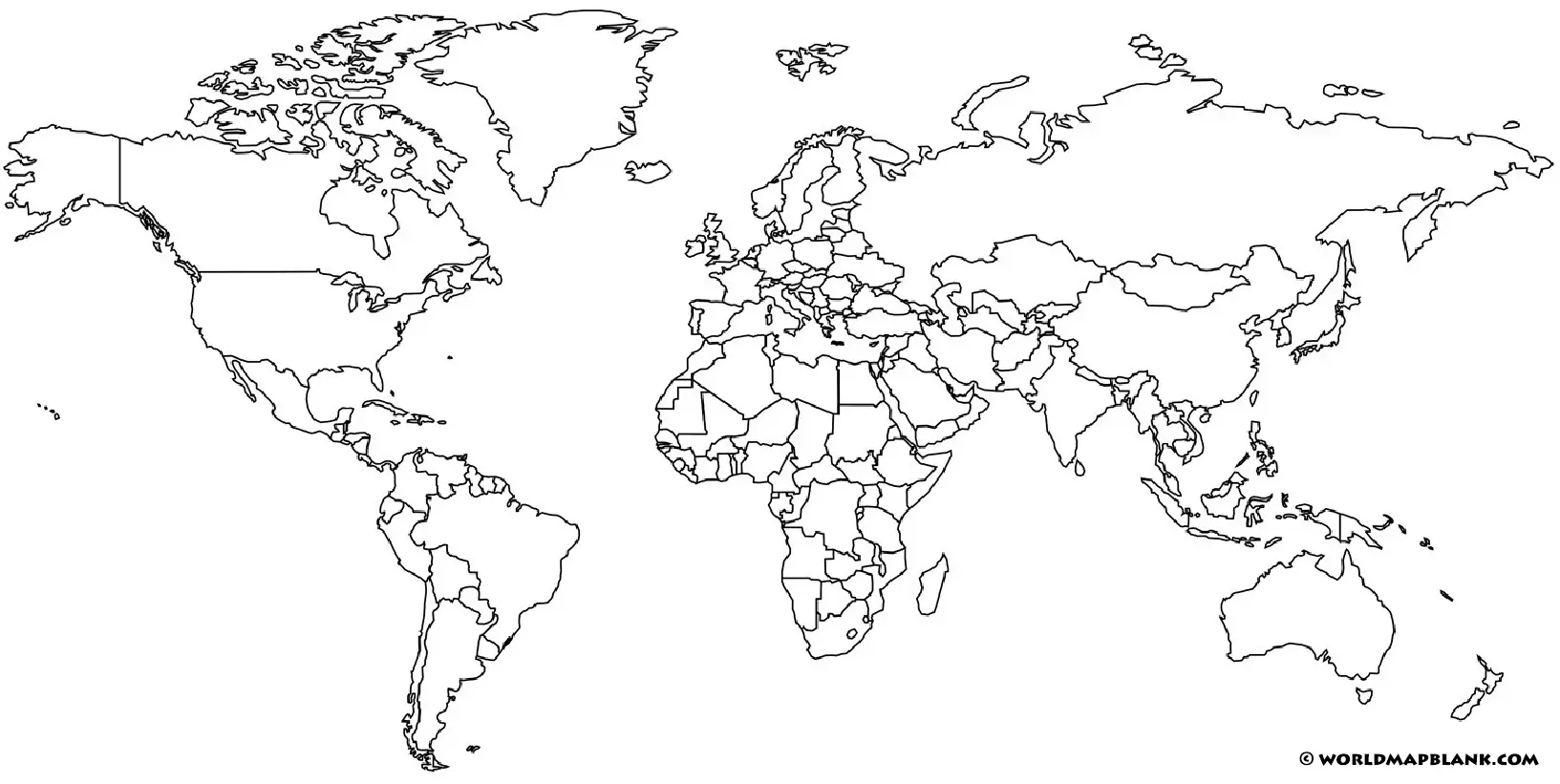
Global Trade Infrastructure
Our global trade of basic dyes and preparations is built on integrated logistics and comprehensive export capabilities serving worldwide markets.
Export Services
Technical Specifications & Performance Parameters
| Parameter | Specification | Test Method |
|---|---|---|
| Purity | ≥ 95% | HPLC Analysis |
| Moisture Content | ≤ 2.0% | Karl Fischer |
| pH Value | 5.0-7.0 | pH Meter |
| Particle Size | ≤ 150 mesh | Sieve Analysis |
| Heavy Metals | ≤ 40 ppm | ICP-MS |
| Color Strength | 95-105% | Spectrophotometry |
Application & Trade Specifications
| Property | Specification | Application Benefit |
|---|---|---|
| Cationic Charge | Positive | Excellent fiber affinity |
| Water Solubility | Complete | Uniform application |
| Color Intensity | High brilliance | Superior visual appeal |
| Chemical Stability | pH 3-11 stable | Process reliability |
| Thermal Stability | Up to 120°C | Processing versatility |
| Parameter | Standard | Export Compliance |
|---|---|---|
| Packaging | 25kg drums | Moisture-proof |
| Labeling | Multilingual | GHS compliant |
| Documentation | Complete COA | International standards |
| Shipping | Hazmat certified | Global regulations |
What are Basic Dyes in Global Trade?
Complete Technical & Market Guide
Basic dyes are a type of synthetic dyes characterized as cationic colorants that carry positive charges and form electrostatic attractions with anionic substrates. As leaders in the basic dyes industry and global trade of basic dyes and preparations, we understand that these specialized synthetic dyes dominate the global basic dyes market through their unique chemical properties and versatile applications.
Understanding Basic Dyes Chemistry:
- Cationic Chemistry
Basic dyes are cationic synthetic dyes containing amino groups that ionize in aqueous solution to form positively charged dye cations.
- Electrostatic Bonding
Positive charges enable strong electrostatic attractions with negatively charged fiber surfaces and substrates.
- Chemical Structure Classes
Three main chemical classes: triphenylmethane, azo, and xanthene derivatives with distinct properties.
- Solution Behavior
Complete water solubility enables uniform application and consistent color development.
Market Understanding:
- Global Market Position
$1.8B annual market with 6.2% CAGR growth driven by synthetic fiber demand and industrial applications.
- Trade Dynamics
220,000 metric tons annual global trade volume with Asia-Pacific dominance and expanding applications.
- Industry Applications
Primary use in synthetic fiber dyeing with growing demand in security papers and industrial applications.
- Regulatory Environment
Comprehensive compliance requirements for international trade with regional variations.
What basic dyes are
Basic dyes carry a positive charge in solution, which is why they bond to negatively charged substrates. That makes them the standard choice for acrylic and modacrylic fibres, and it is also why they are used on paper, where the pulp carries a negative surface charge. The three main chemical families are triphenylmethane, azo and xanthene, and they differ mainly in light fastness - the triphenylmethanes are the brightest and the least light fast, which is the trade- off to plan around.
Frequently Asked Questions
About Basic Dyes
Cationic synthetic dyes with $1.8B annual trade volume, primarily for textiles and paper. They are characterized by positive charges that enable superior affinity for anionic substrates.
They're chemically synthesized from petrochemical intermediates unlike natural dyes, providing consistent quality and performance characteristics essential for industrial applications.
6.2% CAGR fueled by acrylic fiber demand and security paper applications, with expanding use in industrial and specialty applications worldwide.
Bulk shipments (500kg+) with regional compliance documentation via sea/air freight, supported by comprehensive technical documentation and regulatory compliance.
Full Annex XVII compliance with SVHC <0.1% concentration, ensuring complete regulatory compliance for European market access.
Yes, ΔE<0.8 accuracy for banknote and certificate applications with specialized formulations for security document requirements.
500kg for standard colors, 200kg for specialty preparations, with flexible packaging options and comprehensive technical support.
Yes, 35+ customized preparations for different pulp types with specialized technical support for paper industry applications.
Partner with Leading Global Industrial
Basic Dyes Manufacturers
Veeraco Colourants - Your Trusted Source for High Performance Basic Dyes.
Ready to enhance your products with premium cationic dyes?
For inquiries or collaborations, contact us today!
Get Your Basic Dyes Quote Today
Dislaimer: The Colour tone furnished herein is considered reliable but without guarantee. As Actual dye samples must be evaluated in a laboratory on medium to be dyed in production for accurate shade and physical property results. Shades shown on print material and monitors/paper are for general reference only as they are inherently inaccurate due to calibration variations and technical limitations of monitors and printers.