Textile Dyes Exporters to America: A Buyer’s Guide
Buying textile dyes for an American production line is rarely just a matter of finding a colour at the right price. A dye may look correct in a sample room and still behave differently when used on a production machine, a different fibre
Read More
What is Dyes? 10 Different Types of Dyes
Dyes are the chemical pigments that give color to textiles, plastics, inks and more – and they make daily life vibrant and functional. In industry, dyes aren’t just about aesthetics; they ensure products meet quality, safe
Read More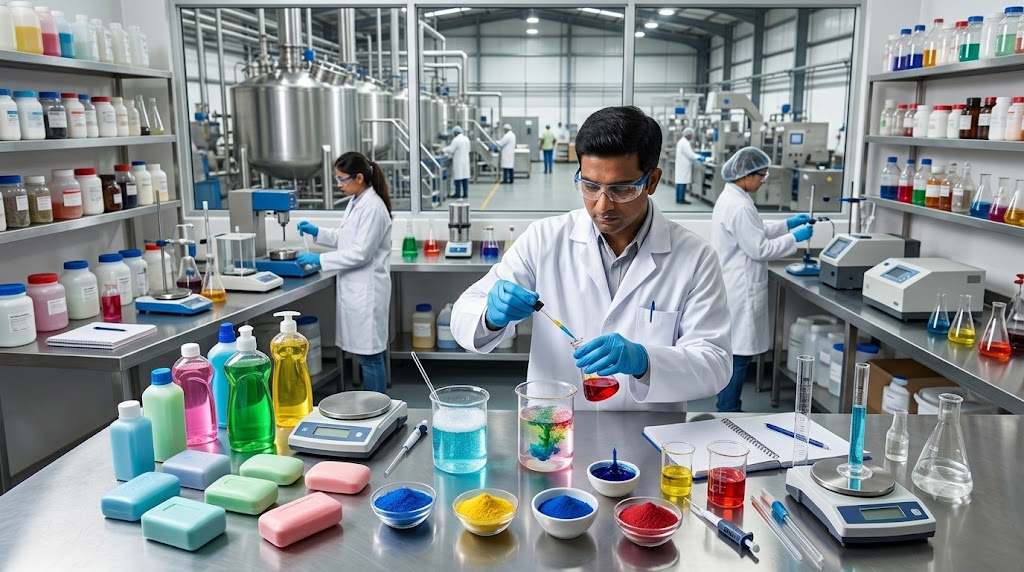
Top Dyes for Soap and Detergent Industry
Introduction: Why Colour Selection Matters in Soap and Detergent Manufacturing Colour is often one of the first things a customer notices about a soap or detergent. Before the product is touched, tested or smelled, its appearance
Read More
Top Dyes for Cotton Textile Industry
Cotton can take colour beautifully, but getting the right colour into the fibre and keeping it there through washing, finishing, sunlight and repeated use is a different challenge. In commercial textile production, the dye is not sele
Read More
Top Dyes for Nylon Fabric
Nylon fabric can look simple after dyeing, but getting the shade right is rarely a simple colour-matching exercise. The chemistry of the fibre, the dye's affinity, the dyebath pH, temperature, fabric construction and final perform
Read More
Tie and Dye: Meaning, Types, Techniques, Process and Dyes
There is something revealing about a piece of tie and dye fabric. The colour rarely appears perfectly uniform, and that is precisely the point. A fold, a tightly bound section, a loose thread or a small difference in dye penetration c
Read More
Textile Chemicals Suppliers UK: A Guide for Textile Chemical Buyers
In textile manufacturing, a chemical decision rarely stays limited to the chemical itself. A small change in dye strength, shade consistency, compatibility or processing conditions can affect an entire production run. For a buyer, tha
Read More
Disperse Dyes for Polyester Fabric
Polyester can look deceptively simple from the outside. It is one of the most widely used synthetic fibres, yet achieving a consistent, durable and commercially acceptable shade on polyester requires careful control of chemistry, temp
Read More
Best Leather Dyes Manufacturer in India
For industrial leather dyeing, there is no single dye that is automatically the best for every leather type, process or end use. The right choice depends on the leather substrate, tanning chemistry, required shade, depth of penetratio
Read More
Best Dyes for Wool Dyeing: How to Choose the Right Dye
Wool does not forgive careless dye selection. A shade may look correct in the dyehouse and still fail later because it is uneven, lacks the required wet fastness, or has been developed under conditions that put unnecessary stress
Read More
Best Dyes for Silk Dyeing
Silk rarely gives a dyeing unit much room for casual decisions. A slight change in pH, an uneven pretreatment, or an overly aggressive thermal profile can affect not only the final shade but also the handle, lustre and durability that
Read More
Best Dyes for Ink and Printing
In printing, colour is often the first thing people notice and the last thing production teams can afford to get wrong. A shade that looks correct in the laboratory may behave differently once it enters an actual ink system, meets a n
Read More
Top 5 Trusted Indian Dyes Suppliers in the UK for Textiles, Leather & Industrial Use (2026)
The United Kingdom has long been one of the world's most active importers of industrial dyes and textile chemicals. With a thriving textile manufacturing sector, a growing leather goods industry, and a strong base of coatings and
Read More
7 Top-Rated Plastic Pigment Manufacturers in India for Automotive & Industrial Use (2026)
Choosing the right pigment supplier is a critical quality and compliance decision for any plastics or automotive manufacturer. This guide evaluates seven of India's most trusted, export-ready pigment manufacturers for 2026, compar
Read More
Top 5 Food Grade Dye Manufacturers in India for 2026: A Complete Guide
Pick up any candy, pour yourself a glass of juice, or bite into a piece of cake. The colour you see is not an accident. It is a carefully chosen ingredient, sourced from a manufacturer who understands both chemistry and comhink about,
Read More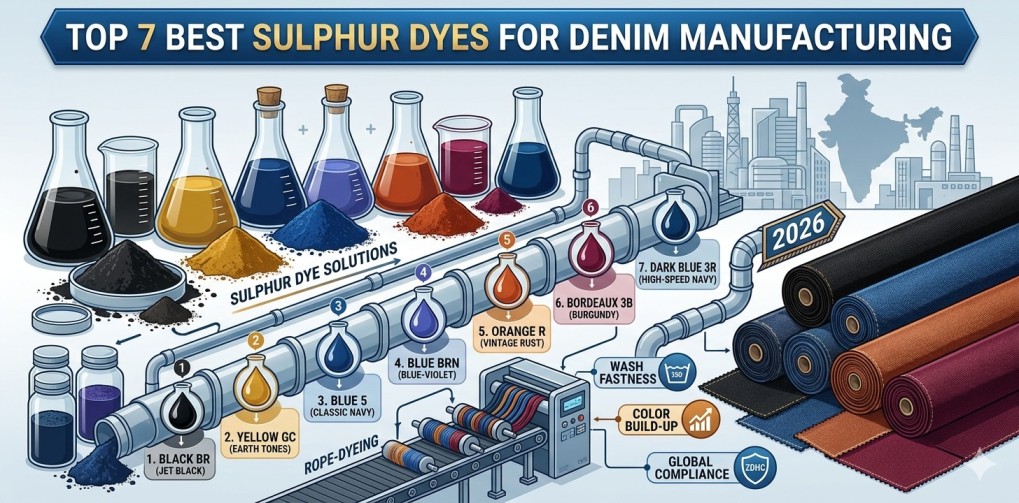
Top 7 Best Sulphur Dyes for Denim Manufacturing: A Complete Buyer's Guide for 2026
Walk into any denim factory, whether it is in Ahmedabad, Bangladesh, or Vietnam, and one thing is constant: the smell of sulphur dyes. That sharp, distinctive smell tells you something important is happening. These dyes are responsibl
Read More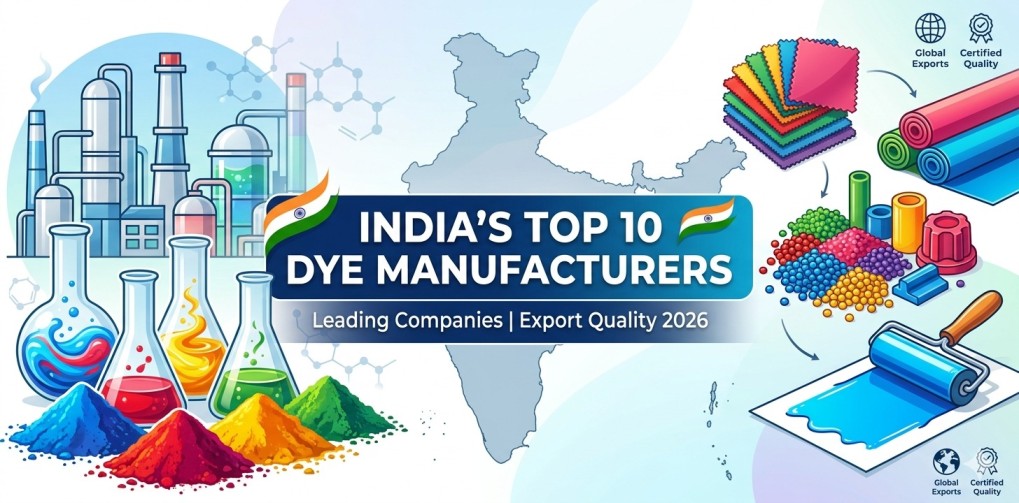
Top 10 Dye Manufacturers in India You Should Know About in 2026
If you work in textiles, plastics, paints, leather, food, packaging, or any color-dependent industry, you already know how important dyes are to your business. The right dye can make your product look premium, while the wrong one can
Read More
The Future of India's Dyes Industry: 10 Trends Shaping 2025-2035
The Future of India's Dyes Industry: 10 Trends Shaping 2025-2035 India's dyes and pigments industry stands at a transformative inflection point. Sustainability mandates, technological innovations, changing consumer prefe
Read More
EU Green Deal Impact: What It Means for Indian Dyes Exports in 2025
EU Green Deal Impact: What It Means for Indian Dyes Exports in 2025 Environmental responsibility has moved from a marketing differentiator to a mandatory requirement for textile and chemical industries. The EU Green Deal, together
Read More
When Standard Dyes Won't Work: Your Guide to Custom Formulation Services
When Standard Dyes Won't Work: Your Guide to Custom Formulation Services Standard dye products serve most applications effectively and economically. However, specialized requirements demand custom solutions. Unique color speci
Read More
Untapped Markets: Indian Dyes Suppliers' Winning Strategy in Africa & Latin America
Untapped Markets: Indian Dyes Suppliers’ Winning Strategy in Africa & Latin America in 2025 Emerging markets across Africa, Latin America, and developing Asia present tremendous growth opportunities for textile and manuf
Read More
Inside India's Leading Dyes Production Companies: What Sets Them Apart
Top Dyes Production Companies in India: Manufacturing Standards and Capabilities India's dyes production landscape represents a sophisticated ecosystem combining traditional expertise with modern manufacturing technology. As g
Read More
Automotive Paint Pigments: Meeting OEM Standards in 2025
Automotive Paint Pigments: Meeting OEM Standards in 2025 Automotive coatings demand the highest-performance pigments available in the paint industry. From vibrant metallic finishes to deep solid colors, pigments must deliver brill
Read More
Black Denim Success: Mastering Sulphur Dyes for Manufacturing
Black Denim Success Mastering Sulphur Dyes for Manufacturing Sulphur dyes play a vital role in denim manufacturing, providing deep, rich colors with excellent wash fastness at economical costs. While indigo creates denim's sig
Read More
From A to Z: Your Complete Encyclopedia of Indian Dyes and Pigments Suppliers
From A to Z: Your Complete Encyclopedia of Indian Dyes and Pigments Suppliers India ranks among the world's leading dyes and pigments manufacturers, serving domestic textile, leather, paper, plastic, and coating industries whi
Read More
Why Top Brands Only Source from ISO Certified Indian Manufacturers
Why Top Brands Only Source from ISO Certified Indian Manufacturers Quality consistency separates successful dyes manufacturers from unreliable suppliers. ISO certifications provide internationally recognized evidence of systematic
Read More
Quality Pigments for Asia Pacific: The Indian Manufacturing Advantage
Quality Pigments for Asia Pacific: The Indian Manufacturing Advantage Asia Pacific represents the world's largest and fastest-growing market for pigments, driven by booming textile, paint, plastics, and coating industries. Ind
Read More
From India to Dubai: Fast-Track Dyes Supply for Middle East Markets
From India to Dubai: Fast-Track Dyes Supply for Middle East Markets The Middle East textile and garment industry experiences rapid growth, driving increasing demand for quality industrial dyes. Indian manufacturers have become pre
Read More
How UK & European Companies Source REACH-Compliant Dyes from India in 2025
How UK & European Companies Source REACH-Compliant Dyes from India in 2025 European and UK companies increasingly recognize India as a strategic source for quality dyes meeting stringent European standards. With REACH complian
Read More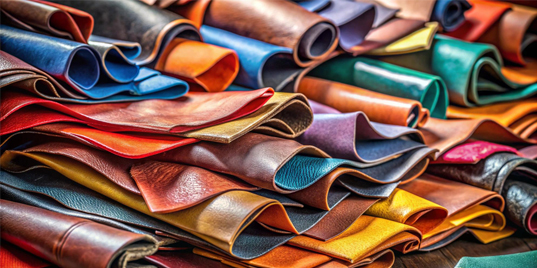
How Indian Leather Manufacturers Achieve World-Class Color Quality
How US Companies Save 30% by Sourcing Dyes from India (Without Sacrificing Quality) As global competition intensifies, US textile, leather, and industrial manufacturers continue to look for smarter ways to reduce costs without com
Read More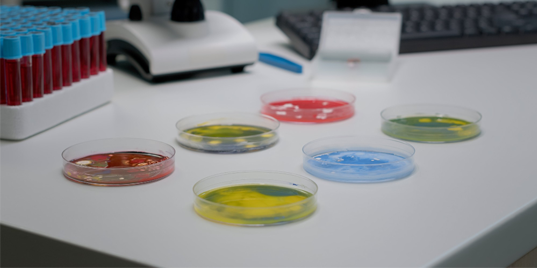
Why Indian Industrial Dyes Manufacturers Are Leading the Global Market
Industrial Dyes Manufacturers in India: Your 2025 Sourcing Guide India's industrial dyes manufacturing sector has evolved into a sophisticated ecosystem that powers diverse industries worldwide. From textiles and paper to plas
Read More
FSSAI-Approved Food Colors: What Every Manufacturer Must Know
FSSAI-Approved Food Colors: What Every Manufacturer Must Know Food grade dyes play a crucial role in the food and beverage industry, creating appealing colors that enhance product attractiveness and consumer acceptance. However, t
Read More
Choosing the Right Acid Dyes for Wool, Silk, and Nylon
Choosing the Right Acid Dyes for Wool, Silk, and Nylon Acid dyes represent the primary colorant class for wool and other protein fibers, delivering brilliant colors with excellent fastness properties. From luxurious fashion fabric
Read More
Optical Brighteners vs. Bleaching: What Paper Makers Need to Know
Optical Brighteners vs. Bleaching: What Paper Makers Need to Know Optical brighteners, also known as fluorescent whitening agents (FWAs), play a crucial role in modern paper manufacturing. These specialized chemicals dramatically
Read More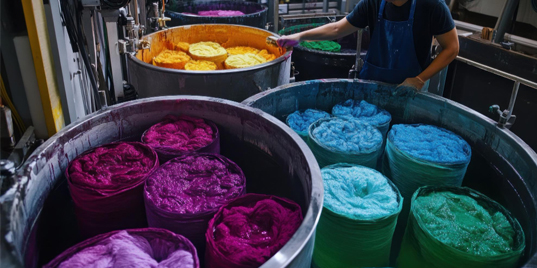
Understanding Vat Dyes: The Secret to Long-Lasting Textile Colors
Understanding Vat Dyes: The Secret to Long-Lasting Textile Colors Vat dyes represent the gold standard for textile coloration demanding exceptional wash fastness, light fastness, and durability. Textile mills worldwide depend on v
Read More
Why Solvent Dyes Are Essential for Modern Plastic Manufacturing
Why Solvent Dyes Are Essential for Modern Plastic Manufacturing In modern plastic manufacturing, achieving vibrant, consistent, and durable colors is essential for both aesthetic appeal and product performance. Solvent dyes play a
Read More
How to Identify and Partner with Reliable Dyes Suppliers in India
Complete Guide to Choosing the Right Textile Dyes Suppliers in India in 2025 India has emerged as a global powerhouse in textile dyes manufacturing, with a legacy spanning over eight decades. As businesses worldwide seek reliable
Read More
Why Indian Dyes Exporters Are the Preferred Choice for Global Buyers
Why Indian Dyes Exporters Are the Preferred Choice for Global Buyers The global dyes and pigments market increasingly looks to India for reliable supply, competitive pricing, and quality products. Indian dyes exporters have built
Read More
How to Select Quality Pigments Manufacturers for Wholesale Orders
Wholesale Pigments Manufacturers in India: Your Complete Sourcing Guide The global pigments market continues to expand, with India emerging as a major manufacturing hub for wholesale pigments across diverse industrial applications
Read More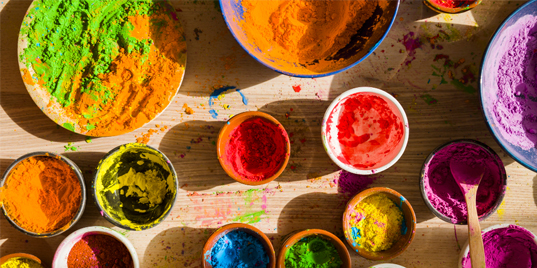
Smart Strategies for Buying Bulk Dyes from India: Save Money Without Compromising Quality
Bulk Dyes Suppliers India: How to Source Quality Dyes in Large Quantities In today's competitive manufacturing landscape, sourcing bulk dyes from reliable suppliers can significantly impact your bottom line and production effi
Read More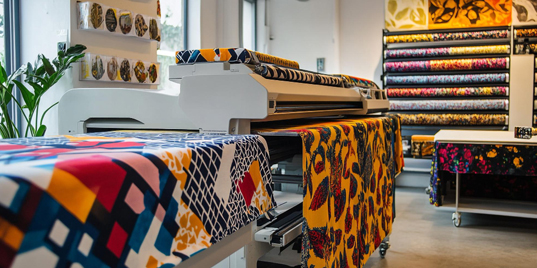
How to Choose the Best Textile Dyes Supplier in India: Expert Guide for
Complete Guide to Choosing the Right Textile Dyes Suppliers in India in 2025 India has emerged as a global powerhouse in textile dyes manufacturing, with a legacy spanning over eight decades. As businesses worldwide seek reliable
Read More
Complete Guide for the Selection of Pigments for Plastics
In the realm of fast-paced plastic pigmentation, selecting the correct pigment that goes well with each property of the plastics and meets all the needs of these materials is essential. These pigments not only add color to them but al
Read More
Learn All About Optical Brighteners: A Full Guide
You guys knew that plastic has hidden magic energies, right? I am sure you have also noticed how some plastic looks much brighter and whiter than others. This is done by using a special ingredient, optical brighteners (OB), which are
Read More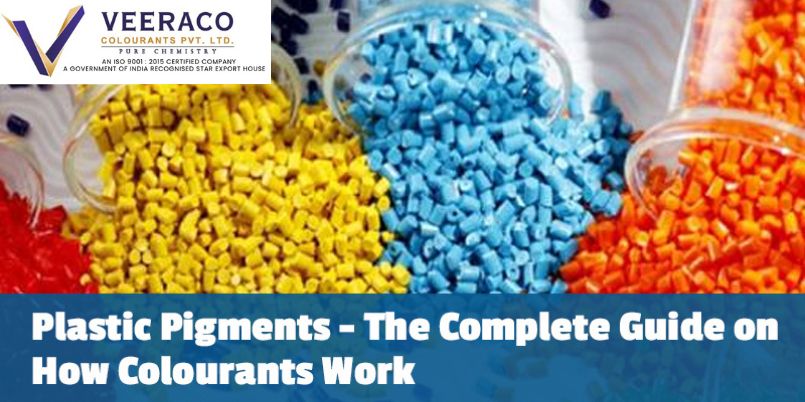
Plastic Pigments - The Complete Guide on How Colourants Work
Plastic products have become common in our present-day world, and nearly every facet of our daily activities involves one form or another of plastic. One attractive characteristic of plastics is that they come out in diverse colors. T
Read More
Pigment Green 7: Advantages and Uses
Pigments play a significant role in many industries by imparting color along with additional properties such as weather resistance, heat stability, and so on. Thus, along with the different organic and inorganic pigments, another pigm
Read More
Properties And Manufacturing Of Basic Dyes
What are Basic Dyes? Perkin's Mauve, the first synthetic dye, pertains to the basic or cationic dye family. Among the first synthetic colours were magenta and malachite green. The basic dyes get their name from the fact that t
Read More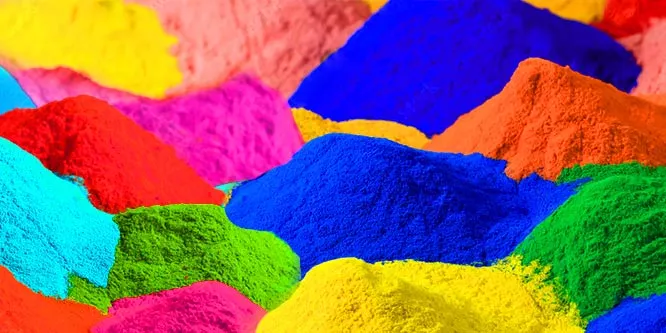
Veeraco Colourants Private Limited - Leading Manufacturer Of High-Quality Dyes And Pigments
Veeraco Colourants Private Limited is a leading manufacturer of dyes and pigments. Operating for years, the research and innovations are always destined to produce the most versatile set of dyeing colours. Our skilled technicians
Read More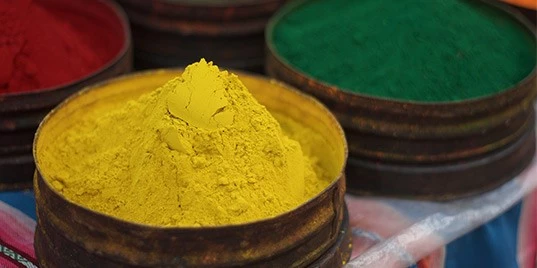
What Are The Benefits Of Using Dyes For Business Owners?
As a business owner, your ultimate aim is always to serve consumers with the best at cost-effective prices without any comprise in its quality. The best ones are reducing the usage of paper and employing energy-efficient appliance
Read More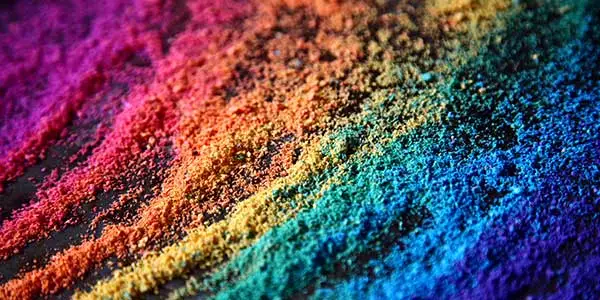
Some Facts About Industrial Dyes
Dyes add colour to the objects we see around. Used in diverse sectors they convert everything we interact within our routine pleasing. All kinds of dye available are demanded in diverse sectors for different purposes depending upon th
Read More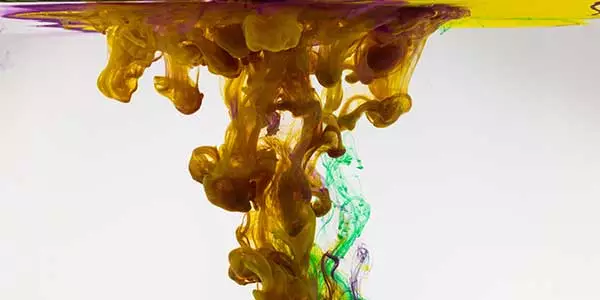
What Are The Difference Between Dyes And Pigments?
Dyes and Pigments are for the same purpose of coloring different materials but vary in the processes employed for them. Solubility plays a leading role here i.e. the tendency to disperse in a liquid especially water. It’s the sa
Read More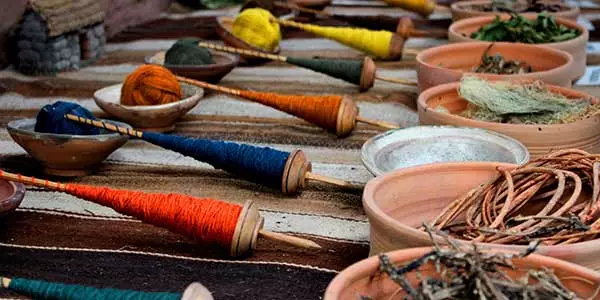
The Fundamentals Of Dyes And Pigments
According to ETAD, The Ecological and Toxicological Association of Dyes and Organic Pigment Manufacturers, dyes are colored or fluorescent organic substances that impart color to a substrate by selective absorption of light.
Read MoreFrequently Asked Questions
India has several highly established dye exporters that have been serving UK and European buyers for decades. The five companies covered in this blog that are Veeraco Colourants, Colourtex, Kiri Industries, Sudarshan Chemical, and Bodal Chemicals, represent some of the strongest and most trusted options available to UK importers today.
India has several well-established names that have been serving global buyers for decades, with proven export credentials, relevant certifications, and dedicated product lines for plastics and automotive applications. The six companies covered in this blog represent some of the strongest options available today.
Synthetic food colours are chemically manufactured and offer high colour strength, heat stability, and consistency at a lower cost. Natural food colours are derived from plant and mineral sources, offer cleaner label positioning but can be more sensitive to heat, light, and pH. The right choice depends on your product type, processing conditions, and brand positioning.
Yes, when used correctly and within regulated concentrations. However, older formulations using sodium sulphide as the reducing agent raise environmental concerns. Modern processes use eco-friendly reducing agents. Always check your dye supplier's safety data sheets and ensure compliance with your buyer's chemical restrictions.
The top dye manufacturers in India in 2026 include Veeraco Colourants, Kiri Industries, Vipul Organics, Sudarshan Chemical Industries, Bodal Chemicals, Atul Ltd., Meghmani Organics, Colourtex Industries, Jaysynth Orgochem, and S D International. These companies are known for their strong export presence, global certifications like REACH and OEKO-TEX, and a wide range of dyes and pigments for multiple industries.
There is no universal best dye for every printing ink. Solvent dyes are generally relevant to solvent-based systems, while water-soluble dyes can be suitable for compatible aqueous formulations. The final choice depends on the vehicle, substrate, required shade and resistance properties.
For most conventional silk dyeing, acid dyes are the first class to evaluate because of their strong affinity for protein fibres and established acidic dyeing methods. Specialised reactive or metal-complex systems may be more appropriate where particular wet or light fastness requirements apply.
Acid dyes are generally the main choice for conventional industrial wool dyeing because they are designed to interact effectively with protein fibres under acidic conditions. Selected reactive dyes can be preferable for certain applications where higher wet fastness is required. The best choice ultimately depends on fibre type, dyeing method, shade and end-use performance requirements.
Leather dyes are colourants used to colour leather by penetrating the substrate and interacting with its chemical structure. Common dye classes used in leather applications include acid, basic, direct and metal complex dyes. The suitable type depends on the leather, tanning system, process and required performance.
Disperse dyes are primarily used to colour hydrophobic synthetic fibres, especially polyester. They are applied as fine dispersions and diffuse into the fibre under controlled temperature conditions.